 Blog
Outboard vs Inboard for Fishing: Pros and Cons Compared
Outboard vs inboard for fishing: compare performance, fuel use, saltwater upkeep, cockpit space and draft to choose the right engine for your boat.


Last Updated: November 21, 2026
Quick Summary
The best Bahamas marinas for a new owner depend on your vessel's length, draft and cruising plans, not on a single ranking. Nassau suits large vessels needing deep water, while Abaco, Exuma and Bimini bases suit cruising or short-hop access from Florida. Confirm each marina's slip size, draft and dockage quote in writing before committing.
Check the specific slip's length and beam against your full vessel length, not just the marina maximum.
Ask for draft at the dock and in the approach channel as two separate written figures.
Request an all-in dockage quote that includes electricity, water and any storm-related charges.
Confirm fuel dock hours at your expected arrival time before planning a crossing.
Verify your insurance covers Bahamian cruising in writing before you leave the dock.
Most Bahamas marina listings give you a slip count and a maximum vessel length, then stop. Those two numbers tell you whether a boat can physically fit. They do not tell you whether the marina suits a new owner. Read the listing as a series of questions: how long is the largest berth, what is the draft at the dock, what services are on site, and how is dockage billed.
Start with the length limit. Marina listings often report a maximum vessel length. A large reported limit is useful, but it only matters if your vessel fits comfortably with room to maneuver in and out.
Next, check what the listing leaves out. Draft limits, dockage rates and fuel availability are often missing from marina summaries. Ask for those figures directly before you plan a route.
The table below summarizes what the supplied research actually confirms. Where a figure is not in the source, the cell says so rather than guessing.
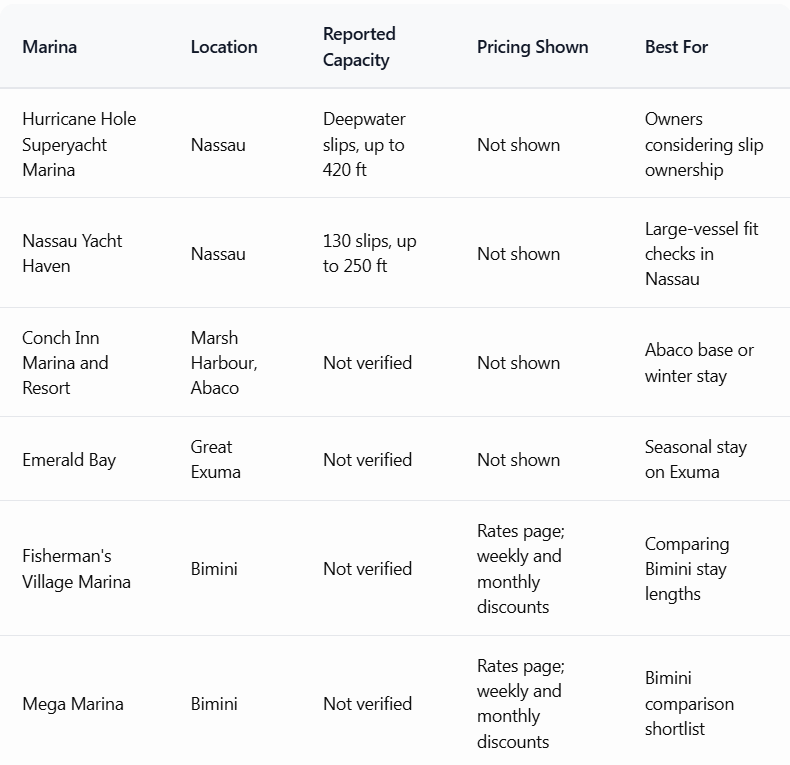
Treat this table as a starting shortlist, not a ranking. The research does not establish that any single marina is best for new owners.
Nassau is a common destination for owners who need a large berth in the Bahamas.
For a new owner, Nassau suits a vessel that needs deep water and a large berth. Request a written quote covering slip length, electricity and water before you commit.
Marinas in Marsh Harbour and on Great Exuma are often considered by owners seeking a quieter cruising base.
If you plan to cruise the Abacos or Exumas, these bases are worth an inquiry call. Ask how the marina handles storm-season storage, whether fuel is on site, and what the maximum draft is at the slip you would use.
Bimini is the nearest Bahamas stop for many Florida-based owners. Bimini is the nearest Bahamas stop for many Florida-based owners, and several marinas there are worth comparing directly.
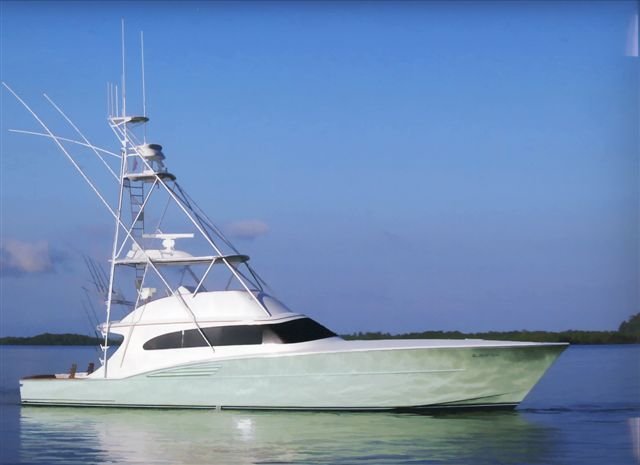
For Grand Bahama, a shipyard in Freeport Harbor may be useful if your vessel needs haul-out work.
Most marina roundups list amenities as a flat feature set, fuel, water, power, security, a pool, without telling a new owner which of those items actually decides whether a slip works. The practical approach is to sort every facility question into three tiers: what disqualifies a marina, what changes your daily routine, and what only affects comfort on shore.
Tier one: the disqualifiers. These are the items that end the conversation if they do not fit your vessel.
Berth length and beam against your full LOA. A marina can report capacity for large yachts and still have a berth that leaves no room to maneuver a wide-beam vessel in a crosswind. Ask for the dimensions of the specific slip, not the marina maximum.
Draft at the dock and in the approach channel. These are two different numbers. A deepwater slip is useless if the channel leading to it shoals at low tide. Request both figures in writing.
Bridge and fixed-air-draft clearance on the route from the harbor entrance to your berth, particularly for a vessel with a hardtop, T-top, or tall outriggers.
Fuel dock access at your expected arrival time. A fuel dock that closes before your Gulf Stream crossing lands you is a planning problem, not an amenity.
Tier two: the routine-changers. These affect how you live aboard and how you maintain the vessel.
Electrical service and metering. Confirm the amperage available at the pedestal and whether power is billed separately from dockage. A 50-amp berth is not interchangeable with a 100-amp berth for a vessel running air conditioning.
Water service and any per-day charge. Some marinas meter water; others include it. Ask which applies to your slip.
On-site or nearby repair capability. For a new owner, the nearest mechanic, diver, and chandlery matter more than the pool. A shipyard such as Bradford Marine Bahamas in Freeport Harbor is the kind of facility worth knowing about before you need it.
Security and gated access for the vessel while you fly home. Ask how the dock is monitored after hours and who holds keys to the pedestal.
Tier three: the comfort items. Resort and hotel access, dining, and shore amenities fall here. They matter for a winter stay, but they should never outrank a draft or beam problem. Marina resorts often bundle dockage with onshore amenities, which is useful when you plan to keep the vessel in one place and stay ashore.
Build one checklist and apply the identical questions to every candidate. When you call, ask for the same written answers: slip dimensions, draft at the dock and in the channel, electrical amperage, water billing, fuel dock hours, security procedure, and the nearest haul-out yard. Comparing identical data points across two or three marinas will tell you more than any ranking.
Watch out: a marina that quotes only a per-foot rate without stating electrical, water, and any resort or environmental charges is giving you an incomplete number, ask for the all-in figure before you compare it to another marina.
A first Bahamas trip from a Florida base is a route-planning exercise before it is a paperwork exercise. The marinas you shortlist should be chosen against the crossing you can actually make, the weather window you can actually get, and the plan you have for the vessel when a storm forms.
Plan the crossing from your departure port. From Stuart and the Treasure Coast, the Gulf Stream sits close to the coast, and the stream runs north, a vessel that leaves on a flat day can still meet steep, short seas where wind opposes current.
Match the marina to the arrival, not the brochure. A marina with deepwater slips for very large yachts is a different arrival proposition from a smaller Abaco or Exuma base. Confirm the approach channel depth, the fuel dock hours at your expected arrival, and whether the marina can take you on short notice if the weather shifts your schedule.
Clear in correctly. Confirm your vessel's documentation and the entry procedure for the port you will clear into with the relevant government office. Build in time for clearance before you assume you can fuel and move on the same afternoon.
Confirm insurance in writing. Ask your insurer in writing whether your policy covers cruising in Bahamian waters, and get the answer before you leave the dock. A policy that covers Florida coastal cruising does not automatically extend to the Bahamas, and the time to discover a gap is not mid-crossing.
Provision and communicate. Plan fuel, water, and provisions for the crossing plus a weather buffer, and confirm communications coverage along your route. A new owner's most common first-trip mistake is provisioning for the planned passage rather than for the passage plus a day of waiting on weather.
Have a storm plan before you need one. Storm season requires its own storage and haul-out plan. Decide in advance whether the vessel will stay in a slip, move to a haul-out yard, or relocate, and confirm that the marina you choose has a written procedure for named storms.
A practical pre-trip list:
Confirm vessel documentation and the entry procedure for your clearance port.
Get written confirmation that your insurance covers Bahamian cruising.
Request the marina's written dockage quote, including electricity and water.
Identify the nearest fuel dock on your route and its operating hours.
Pick a weather window, not a date, and build in a buffer day.
Confirm the marina's storm procedure and your haul-out option before you commit to a seasonal slip.
Watch out: a dockage quote that does not state electrical, water, and any seasonal or storm-related charges is not a comparable number, ask for the all-in figure and the marina's written storm policy at the same time.
Start by narrowing the list to two or three marinas that match your vessel length and cruising plans. Call each one and request the same written information: slip length, draft, fuel access, services and a full dockage quote. Comparing identical data points will show you more than any ranking.
If you are buying your first yacht and want help matching a vessel to a Bahamas base, the team at Spencer Christopher Yacht and Ship (Yacht Brokerage) can walk you through the practical fit between a yacht's size and draft and the marinas you are considering. A center console suited to Gulf Stream crossings is a different decision from a larger vessel bound for a Nassau slip, and that distinction is worth settling before you sign anything.
No single marina is best for everyone. Southern Boating's 2026 list names Hurricane Hole Marina in Nassau among its 15 yacht marinas, and the marina reports 6,100 linear feet of deepwater docks and slips for yachts up to 420 feet. Nassau Yacht Haven reports 130 slips and room for yachts up to 250 feet. Smaller bases such as Conch Inn in Marsh Harbour or Emerald Bay on Great Exuma serve owners who want a quieter cruising base. Match the marina to your vessel's length and draft, your route, and how long you plan to stay, then confirm current availability directly with the marina.
First-time owners usually do best with a marina that has clear dockage terms, reliable fuel access and staff who can handle arrivals. Ask marinas for their published rates and any stay-length discounts, which helps with budgeting. Larger slips can mean higher costs and tighter docking conditions. Ask each marina for its published draft limit, LOA limit and current slip availability before you commit.
Plan clearance and entry requirements, insurance terms, fuel and provisioning, and weather windows well in advance. Confirm your insurer covers Bahamian waters and the specific cruising area you intend to visit, since policies vary. Check your vessel's documentation, crew list and planned ports of entry. Build in a route plan that accounts for crossing time from Stuart and the availability of fuel docks along the way. Verify all current requirements with the relevant Bahamian authorities and your insurer before departure.
Some Bahamas marinas and shipyards are equipped for larger yachts. Always check draft and length limits directly with each facility.
Start with your vessel's length overall and draft, then compare each marina's published maximum vessel length and depth at the dock. Many listings give LOA limits but leave draft unstated, so request written confirmation of channel depth and berth depth before arrival. Consider the approach channel as well as the slip. Ask about tidal range, since shallow approaches can limit access at low water. A marina that accepts your LOA but not your draft will not serve your vessel, so verify both numbers.
 Blog
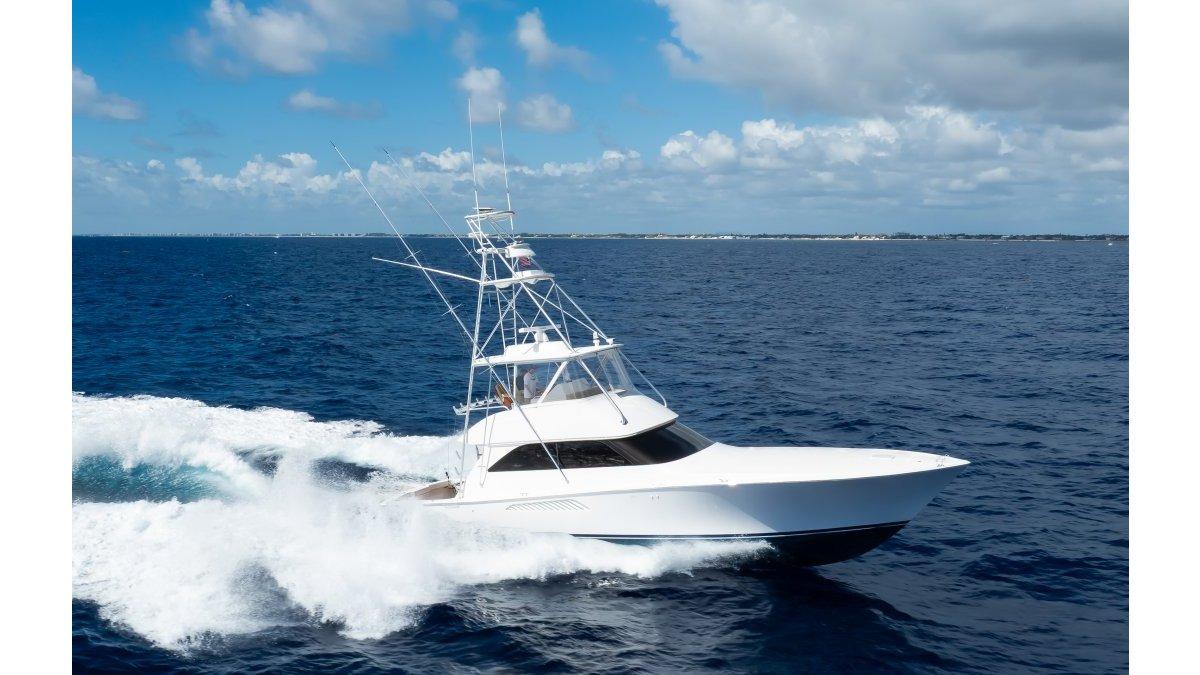
Outboard vs inboard for fishing: compare performance, fuel use, saltwater upkeep, cockpit space and draft to choose the right engine for your boat.
 Blog
Setting up crew payroll starts with clean contracts and correct tax treatment. Learn the setup steps and records to keep.
 Blog
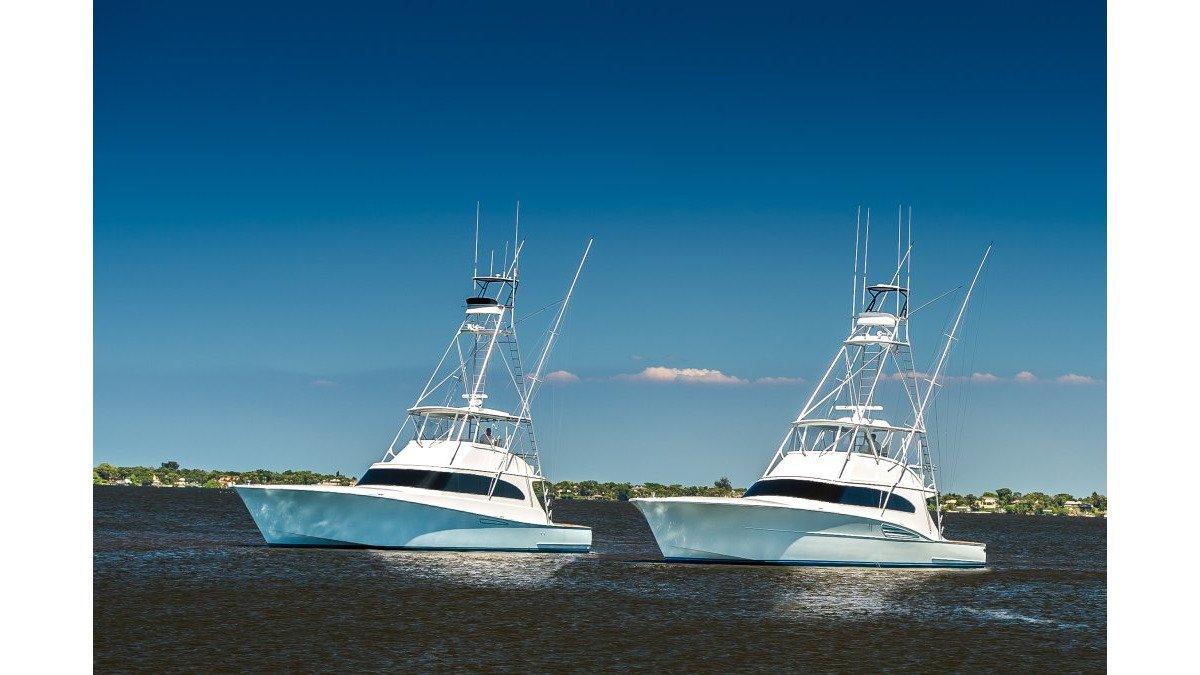
Center console boats for Bahamas island hopping: compare range, fuel capacity, and offshore features to choose the right vessel for Gulf Stream crossings.
Send them over. Every inquiry gets a substantive response within 24 hours, from a person who has read what was asked.