 Blog
Viking vs Hatteras Sportfish Comparison 2026
Viking vs Hatteras sportfish comparison for 2026: offshore performance, resale value, and what to inspect before you buy a used yacht.


Last Updated: October 31, 2026
Quick Summary
Yacht sales tax liability is decided by where the transaction is completed, where the vessel is delivered, where it is used, and where it is stored, not by a single national rule. Florida imposes sales tax at the point of sale, and its use tax can apply to vessels brought into the state without Florida sales tax paid at purchase.
Florida yacht sales tax attaches at the point of sale, not at registration.
A vessel bought elsewhere and stored in Florida can trigger Florida use tax.
Florida applies a cap to sales tax on certain vessel sales, not every transaction.
Keep the purchase agreement, closing statement, delivery acceptance, and storage records together.
Get the tax position in writing before funds move, tied to delivery location and dates.
Understanding yacht sales tax liability laws starts with one uncomfortable fact: there is no single national rule to learn. Sales tax on a vessel is decided by where the transaction is completed, where the yacht is delivered, where it is used, and where it is stored, and those four answers do not always point to the same state. The identifies point of sale and differing state requirements as the core variables, which is why two buyers of identical vessels can owe different amounts.
Tax exposure is best handled as a closing issue, not an afterthought. Buyers often assume that a Florida registration settles everything, and it does not.
Here is the throughline for this guide: tax liability follows the vessel's facts, not the buyer's assumptions. Below, we break down what actually triggers the obligation in Florida, where out-of-state purchases go wrong, and which records protect you after closing.
Florida yacht sales tax is a state sales tax imposed on the retail sale of a vessel in Florida, and the obligation attaches at the point of sale rather than at registration. That distinction matters because buyers often learn about the tax after they have already signed.
A few practical points drive the analysis:
Where the sale is consummated, meaning where documents are executed and consideration passes
Where the vessel is physically delivered to the buyer
Whether the seller is a dealer required to collect, or a private party
Whether a valid exemption or credit applies to the transaction
Watch out: assuming a private, one-off sale escapes tax is a common and expensive error. Massachusetts, for example, states plainly that casual and isolated vessel sales are not exempt from its use tax when the vessel is used or stored there, per Massachusetts Department of Revenue Directive 89-19 on casual and isolated vessel sales. Other states write their own rules, and Florida's are not identical.
Florida yacht use tax is generally the counterpart to sales tax, and it can apply when a vessel is brought into Florida for use or storage without Florida sales tax having been paid at purchase. Buyers who shop out of state to avoid tax frequently discover this the hard way.
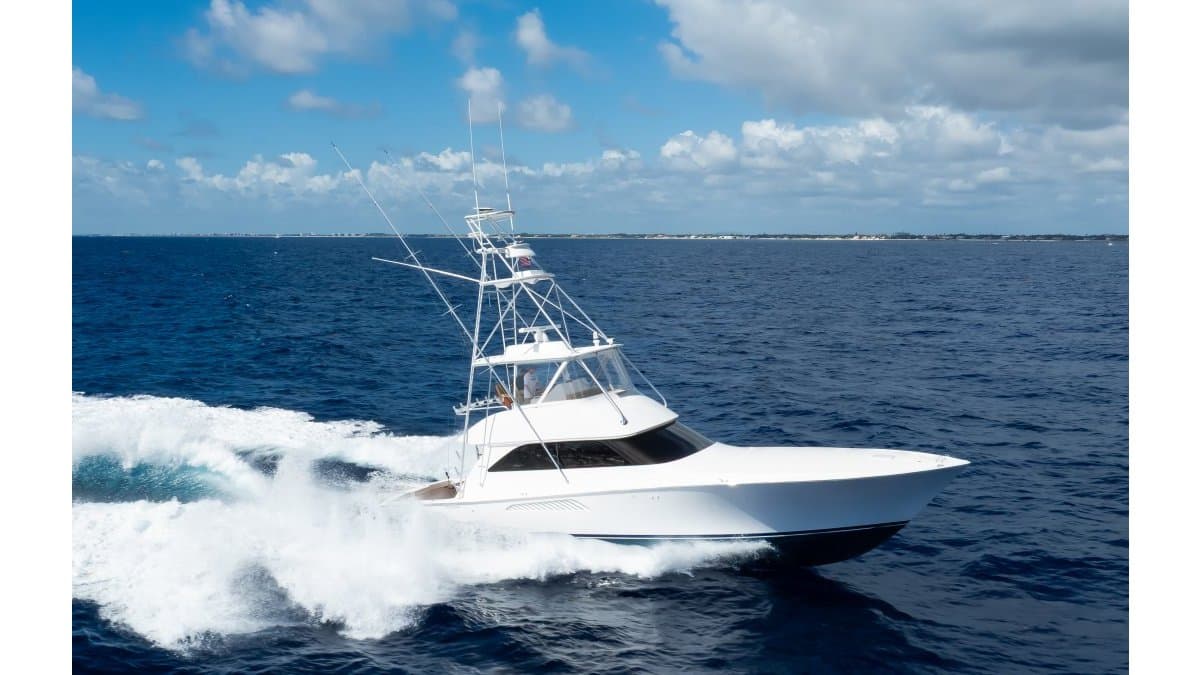
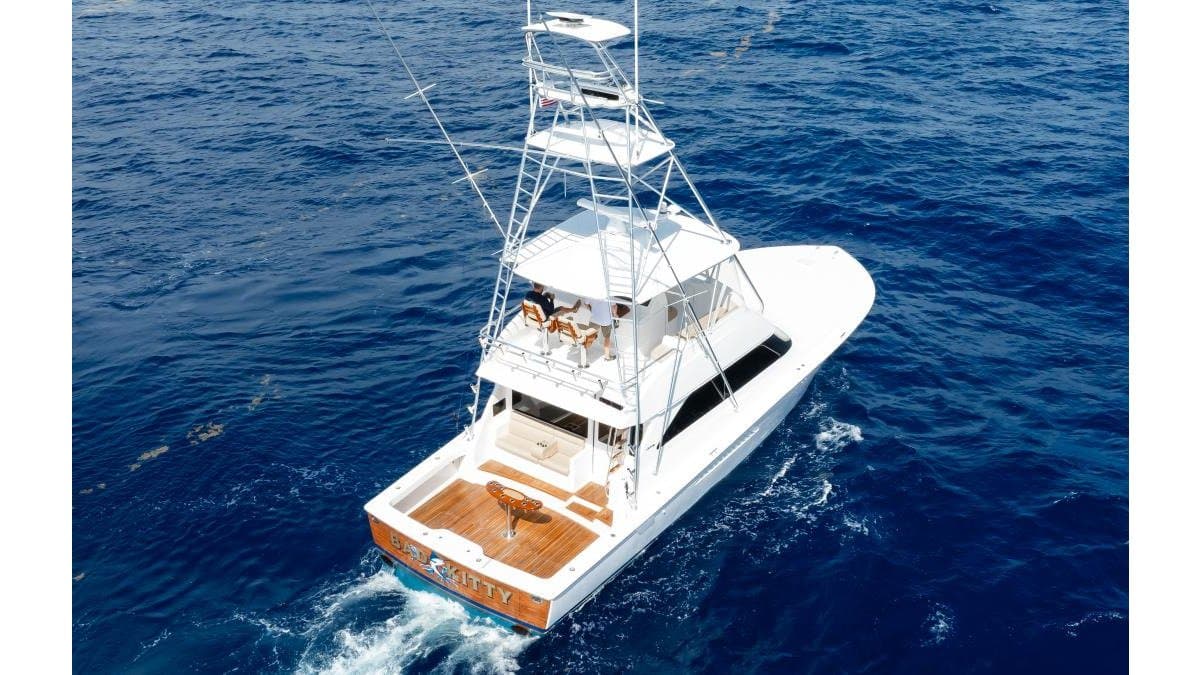
2005 Viking 52 Convertible | BAD KITTY by Central Listing Broker Brian Strauss
Spencer Christopher Yacht and Ship Inc
The trap works like this. A buyer purchases a vessel in a state with no sales tax, takes delivery there, then brings the yacht to a Florida slip or marina. Florida can treat that vessel as subject to use tax because it is now used and stored in the state. Registration alone does not resolve the question, and neither does the absence of a Florida invoice.
What most guides miss is that timing and documentation decide these cases. Delivery location, the date the vessel entered Florida, and proof of any tax already paid elsewhere all shape the outcome. We would rather map that sequence before an offer than reconstruct it after a notice arrives.
Florida applies a cap to the sales tax on certain vessel sales, which can limit the tax to a portion of the purchase price. Whether it applies depends on the specific transaction.
The cap does not eliminate the tax, and it does not apply to every related charge. Buyers should confirm three things before closing:
Whether the transaction qualifies for the capped treatment
Which line items on the closing statement fall inside the taxable amount
Whether any credit for tax paid in another jurisdiction reduces the Florida obligation
Closing statements should be reviewed against the actual settlement figures, because a cap applied incorrectly in either direction creates a problem.
Yacht tax documentation and records are the paper trail that proves what you paid, where the vessel was delivered, and when it entered the state. In a dispute, the file matters more than the recollection.
Keep the following together in one file, in digital and physical form:
The purchase and sale agreement, with delivery location and date stated
The closing statement showing the tax collected and the basis used
Proof of any tax paid in another state, such as a receipt or return
Delivery documentation, including a delivery acceptance signed at the delivery point
Marina or storage agreements showing where the vessel has been kept
Registration and documentation records for the vessel
If a closing service handles escrow and delivery paperwork for you, confirm exactly which of these documents it retains and for how long. Compare professional yacht closing services in Stuart to see which handle escrow and delivery documents.
Registration is not the trigger buyers often think it is. A vessel can be registered in one state while its tax obligation is decided by delivery and use in another.
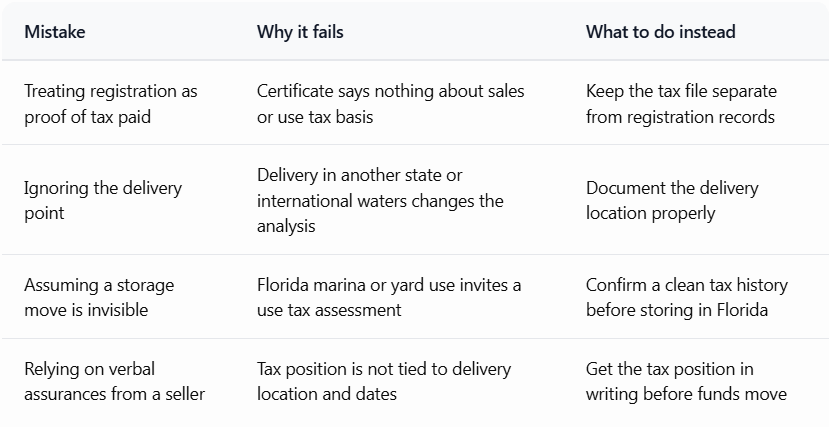
Three mistakes recur:
Treating registration as proof of tax paid. It is not. The registration certificate says nothing about the sales or use tax basis.
Ignoring the delivery point. A delivery in international waters or in another state changes the analysis, but only if it is documented properly.
Assuming a storage move is invisible. Placing a yacht in a Florida marina or yard without a clean tax history invites a use tax assessment.
A common mistake is relying on verbal assurances from a seller. Get the tax position in writing, tied to the delivery location and dates, before funds move.
Three mistakes recur when buyers assume registration settles the tax question.
A tax-sound closing is a sequence, not a signature. The sale documents, the delivery record, and the tax calculation should all tell the same story.
A workable sequence looks like this:
Confirm the buyer's intended use, storage location, and cruising plans before an offer
Identify the state where the sale will be consummated and where delivery will occur
Confirm whether a cap, exemption, or credit applies and document the basis
Coordinate with the closing entity so the settlement statement matches the analysis
Deliver the vessel at the documented location and capture signed acceptance
Assemble the tax file and hand it to the buyer at closing
Before you engage anyone, know how to vet the person guiding this process.
The takeaway is simple. Yacht sales tax liability is decided by facts you can control and document: where the sale closes, where the vessel is delivered, where it is used, and what records you keep. Buyers who treat those facts as part of the deal, rather than paperwork to sort out later, close with fewer surprises and a defensible file.
Florida sales tax generally applies to the purchase price of a vessel when the sale is completed in the state. Delivery location, documented use, and whether the sale qualifies for any cap or exemption can all change the amount. Keep the closing statement and delivery documentation together so the basis for the tax is clear if it is ever questioned.
Possibly. Florida yacht use tax can apply to vessels used or stored in the state when sales tax was not paid at the point of sale. Buying in another state does not automatically remove the obligation. The specific facts, including how long the vessel stays in Florida and where it is stored, determine the outcome. Document the timeline before the vessel enters state waters.
Florida may apply a cap to the sales tax on certain yacht purchases, which can limit the tax to a portion of the sale price. It does not apply to every transaction or every tax, so confirm with a maritime attorney or tax professional that your specific closing qualifies before you rely on it.
Keep the purchase agreement, the closing statement showing the tax collected, the delivery and acceptance documentation, and any registration or documentation filed with the state. Yacht tax documentation and records matter most when a vessel moves between states or is sold later. A clean file answers questions about where tax was paid, when the vessel entered Florida, and how the sale was structured. Store digital copies and keep them with the vessel's permanent records.
Registration alone does not determine tax liability. Registering a vessel in a particular state is not enough information on its own to decide the applicable tax. Sale location, delivery, use, and storage all factor in. A documented Florida registration can support your position, but it will not override the underlying transaction facts. Treat registration as one piece of evidence, not the whole answer.
Some purchases may qualify for an exemption, but the rules are narrow and fact-specific. A casual or private sale should not be assumed to be exempt without confirmation of the specific facts. Work with a maritime attorney or tax professional who can review the transaction structure before closing. Do not rely on a verbal assurance that a deal is exempt.
Cruising to the Bahamas does not erase U.S. tax obligations, and it can complicate them if the vessel's use and storage pattern changes. Sales-tax requirements can vary by state and circumstance, including whether tax is determined by point of sale. Keep a clear log of where the vessel is used and stored, and confirm the treatment with your advisor before a long Bahamas season.
 Blog
Viking vs Hatteras sportfish comparison for 2026: offshore performance, resale value, and what to inspect before you buy a used yacht.
 Blog
Compare boutique yacht brokerage service to national firms. See how captain-led representation, buyer and seller advocacy, and survey support differ.
 Blog
Avoid hidden mechanical costs when buying a used sportfish yacht. Use this survey, engine survey, and sea trial checklist to protect your investment.
Send them over. Every inquiry gets a substantive response within 24 hours, from a person who has read what was asked.