 Blog
BlogWhy Yacht Ownership History Verification Matters
Yacht ownership history verification protects your investment. Learn how title abstracts, liens, and service records shape a safer purchase.


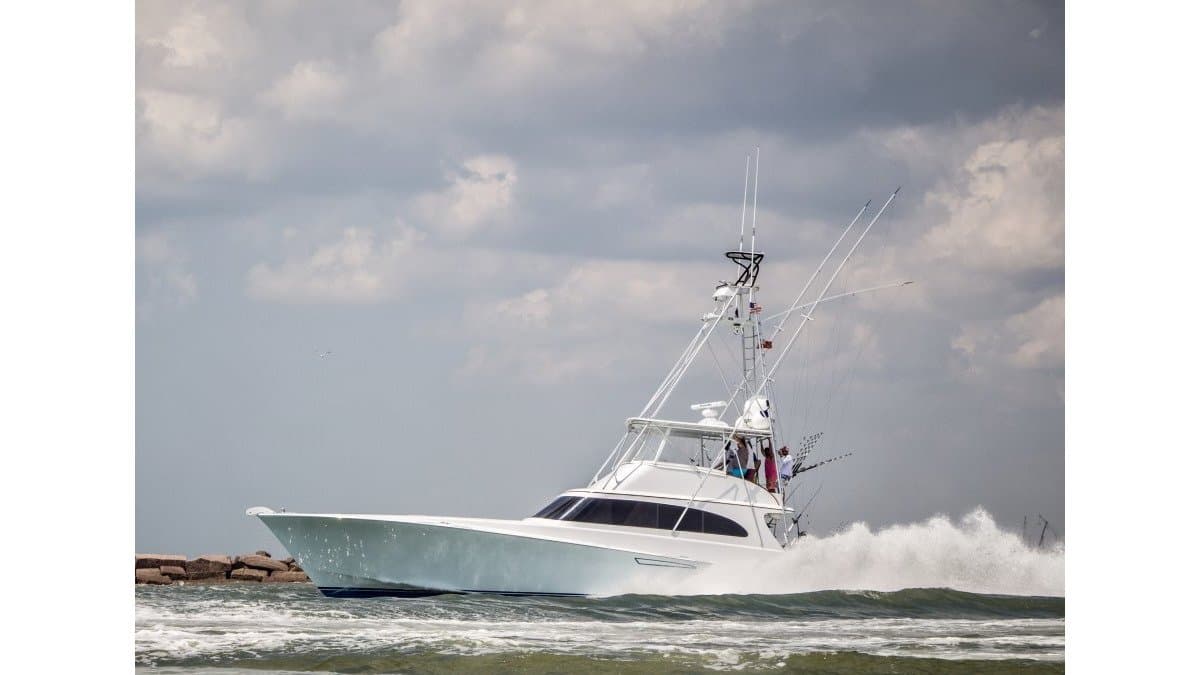
Vessel Size, Capability, and Load Management for the Gulf Stream
Center Console Fuel Range Calculations and the One-Third Rule
Engine Maintenance, Spare Parts, and Insurance for Offshore Transit
Last Updated: October 2, 2026
A center console built for bay and nearshore work is not automatically ready for open water. Preparing a center console for a Bahamas crossing starts with an honest look at the hull, the load, and the conditions between Florida and Bimini.
The Gulf Stream is a moving river of warm water, not a flat stretch of ocean. It runs north at speeds that can push a slow hull well off its intended track. A vessel that handles a choppy bay without complaint can behave very differently when the stream stacks a short, steep sea against a northeast wind.
There is no single legal minimum, but many owners consider a center console of roughly 24 to 28 feet the realistic floor for a comfortable Bimini run.
Look at these before you commit:
Freeboard and gunwale height, which keep spray and boarding seas out
Deadrise and hull weight, which affect how the vessel rides a confused sea
Fuel capacity relative to your engine's burn rate
Self-bailing cockpit and scupper size
Condition of the transom and engine mounting
A deep-V hull with adequate freeboard handles the stream better than a flat, light hull of the same length. A heavier, well-balanced vessel punches through swell instead of getting tossed by it.
Load placement changes how a center console performs offshore. Too much weight aft makes the hull pound; too much forward buries the bow in a following sea.
Distribute gear with these rules in mind:
Keep heavy items low and centered, near the helm or amidships
Secure coolers, fuel, and water so nothing shifts in a seaway
Avoid stacking weight high on the T-top or hardtop
Trim the vessel before you leave the inlet, then adjust as fuel burns off
Fuel planning is where most crossing mistakes begin. The one-third rule: use one third of your fuel to reach your destination, one third to return, and keep one third in reserve for weather delays, a change of inlet, or idling out a squall.
Start with real numbers, not the brochure: your actual fuel burn at cruising speed, loaded as you will run.
Note your total usable fuel capacity, minus the last few gallons the pickup can't reach.
Find your fuel burn in gallons per hour at your planned cruising speed.
Divide usable gallons by burn rate to get total hours of range.
Multiply hours by your cruising speed in knots to get range in nautical miles.
Apply the one-third rule and compare the result to the crossing distance.
If the numbers are close, add a safety margin with spare fuel in approved cans. A slow crossing into a head sea burns far more than a calm run, so build the plan around the worst case.
Watch Out Running the stream on a thin fuel margin is the single most common cause of a Coast Guard response offshore. If your reserve is tight, delay the trip or carry more fuel. There is no shortcut across open water.
The right weather window decides whether a crossing is routine or punishing.
How to Prep a 40 FT Boat for a Bahamas Crossing | Fuel, Click 2 Clear, Regulations, Supplies
Life By The Bow
Favorable signs include:
Sustained winds under roughly 15 knots
Seas of 2 feet or less, with a longer wave period
No approaching front or squall line
A stable pattern lasting at least two days
Wave period matters as much as height. A long period means gentler, more spaced-out swell. A short period means steep, choppy seas that slow any hull.
Crossings are often smoother at night or early morning, before the sea breeze builds. Plan your window, then be willing to wait.
A Gulf Stream crossing safety checklist turns a long list of gear into a fast pre-departure routine. Run through it out loud with your crew so everyone knows where things are and what to do.
Carry the gear that matches an offshore transit, not a day on the bay. At minimum:
USCG-approved life jackets for every person aboard, worn, not stowed
An EPIRB registered to the vessel
A life raft sized for everyone aboard
A working VHF radio with DSC, plus a backup
A charged satellite messenger or phone
Flares within their expiration date
A first aid kit and seasickness supplies
A fire extinguisher, accessible and charged
A ditch bag with water, signal mirror, and handheld radio
File a float plan with someone ashore, route, departure time, expected arrival. If you go missing, that plan starts the search.
Pro Tip Test your EPIRB, VHF, and satellite messenger before you leave the dock. Gear that has sat unused for a season often fails at the worst moment. A two-minute radio check with a nearby vessel confirms it works.
Bahamas customs clearance for private vessels follows a defined process, and arriving prepared keeps it short. You must clear in at a designated port of entry and present your documents to customs and immigration. Arriving at a non-designated port, or after hours, can mean waiting on the hook until an officer is available.
Have these ready before you make the inlet:
Vessel registration or documentation
Proof of ownership
Photo ID and passports for all aboard
A completed crew and passenger list
The vessel's cruising permit, obtained on arrival
Private vessels must enter at a designated port of entry, Bimini, Freeport, Nassau, and Marsh Harbour are the common ones for a center console run from Florida.
On arrival, you apply for a cruising permit, which allows the vessel to move between islands and anchor out without re-clearing at every stop. It covers the vessel, not the people aboard; each person still clears immigration individually.
The cruising permit carries a fee that scales with vessel length, smaller center consoles fall in the lower tier, larger vessels in the higher tier.
Paperwork is moving toward digital tools, and several Bahamas ports now accept online submissions ahead of arrival, which cuts time at the dock. The practical workflow:
Download the current customs and immigration apps before you leave the dock, not at the marina on arrival.
Save your vessel registration, documentation, and crew passport scans as files on your phone.
Submit the arrival notification and crew list through the app while you still have a strong signal offshore.
Keep printed copies of everything as backup. A weak signal at the dock is no time to be hunting for a document on your phone.
Familiarize yourself with the process before you leave. Procedures change, and an app that worked last season may have been replaced. Check the current requirements through the Bahamas Customs Department before you travel.
Pro Tip Clear in during business hours if you can. Arriving after hours means waiting for an officer, and the wait happens on the vessel, not at a dock with shore power. Plan your departure so you make a designated port of entry with time to spare.
An incomplete crew list or a missing registration document turns a short clearance into a long one. Officers can hold the vessel until the paperwork is resolved, a night at anchor instead of at the dock. Build the document packet on land, store it in two places, and treat it as part of the pre-departure checklist alongside fuel and weather.
Engine trouble offshore is the failure that ends trips. A center console running to the Bahamas puts its outboards through hours of sustained load in saltwater, a duty cycle most bay boats never see. Service the engines before the crossing, and carry the parts most likely to fail.
Most guides focus on gear and skip the technical engine work. This is the checklist that matters for a long-range center console run:
Impeller, replace it if it is more than a season old. A failed impeller means no cooling water and an overheated powerhead. Carry a spare and the tools to change it.
Fuel filters and water separators, replace the engine-mounted filter and the external water-separating filter. Drain the separator bowl and check for water before every run. Ethanol-blended fuel and long storage are the two most common sources of water in the system.
Lower unit gear lube, drain and refill. Look for milky fluid, which means a failed seal and water intrusion. Check the prop shaft seal while the lower unit is drained.
Thermostats and poppet valves, inspect or replace. A stuck thermostat causes uneven running and overheating at cruise.
Spark plugs, replace and gap to spec. Fouled plugs show up as a rough idle and lost top-end.
Battery connections and charge, clean terminals, check voltage under load, and confirm the charging system keeps up with electronics. A dead battery offshore with no pull start ends the trip.
Wiring at the transom, inspect for chafe and corrosion. The transom sees the most spray and the most vibration.
Fuel lines and primer bulb, check for cracks and soft spots. A collapsing primer bulb starves the engine at cruise.
Run a two-hour shakedown at cruising speed before the crossing; it surfaces most problems while you are still near a dock.
Spare parts worth carrying include spark plugs, fuses, a fuel filter, engine oil, lower unit gear lube, and basic tools. A spare prop and the tools to change it can save a trip if you strike debris, and a spare impeller with its puller is worth the space. Pack the spares in a dry bag, not loose where spray reaches them.
Insurance deserves a close look. Standard policies may limit coverage outside a set distance from shore or exclude foreign waters entirely.
Confirm these before you leave:
The policy's navigational limits, the distance from shore and the geographic area covered
Whether the Bahamas is a named cruising area or excluded
Whether the transit itself is covered, not just the destination
Whether the policy requires a specific captain or crew for offshore runs
The deductible and any foreign-water surcharge
Get the confirmation in writing from the underwriter, not a verbal assurance from an agent. Owners can review coverage as part of a broader vessel readiness check, since a gap found at the dock is far cheaper than one found offshore.
Watch Out A policy that covers the vessel at the dock and in coastal waters does not automatically cover a foreign transit. Read the navigational limits section, and if the language is unclear, get it clarified in writing before you leave.
Engine service, spares, and insurance are the three items owners most often defer. Each one is cheap to solve on land and expensive to solve offshore. Build them into the pre-departure checklist alongside fuel and weather.
A safe Bahamas crossing comes down to preparation, not luck. Check the hull and load, run the fuel numbers with a reserve, pick your weather window, and carry the right gear. Handle customs documents and engine service before you leave the dock.
For owners buying or selling a center console built for this kind of work, Spencer Christopher Yacht and Ship offers brokerage support grounded in real offshore experience. The team includes USCG captains, former crew, and engineers, with complete fiduciary care from first showing to delivery.
Most experienced captains recommend a center console of at least 24 to 28 feet LOA with a deep-V hull for a Gulf Stream crossing. Smaller vessels can make the run in ideal conditions, but they leave little margin for changing sea state. Fuel capacity, freeboard, and the ability to handle 4- to 6-foot swells matter more than length alone. A well-found 26-foot center console with twin outboards and 150 gallons of usable fuel is a common benchmark for a safe Bimini transit.
The one-third rule divides your total usable fuel into three parts: one-third to reach your destination, one-third to return, and one-third held in reserve for weather delays, rerouting, or unexpected fuel burn. For a 50-nautical-mile Gulf Stream crossing at a cruising speed of 30 knots, a center console burning 1.5 gallons per nautical mile needs roughly 75 gallons each way. That means at least 225 gallons of usable capacity to satisfy the rule with a proper reserve.
Private vessels must clear in at a designated port of entry, such as Bimini, Nassau, or Freeport. You will need your vessel documentation or registration, a valid passport for every person aboard, and a cruising permit. Many captains now use the Click2Clear digital portal to submit arrival information before docking, which reduces time at the customs dock. Always fly the Bahamian courtesy flag and the yellow quarantine flag until clearance is complete.
Beyond US Coast Guard requirements, a Bahamas crossing warrants an EPIRB, a life raft or inflatable dinghy, a VHF radio with DSC, and a satellite communicator for offshore coverage. Carry a float plan filed with a shore contact, spare bilge pumps, and a well-stocked ditch bag. A chart plotter with updated Bahamas charts and a backup GPS are essential. Check that all flares and life jackets are current and accessible before you leave the dock.
BlogYacht ownership history verification protects your investment. Learn how title abstracts, liens, and service records shape a safer purchase.
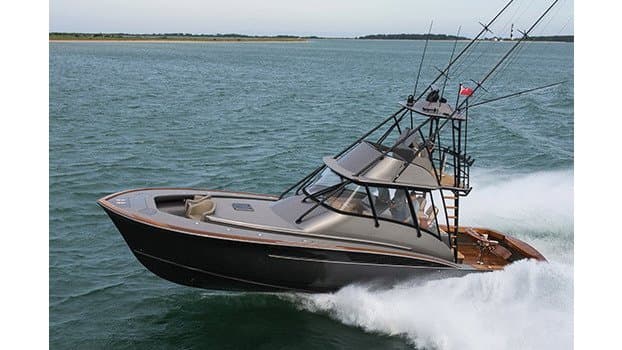 Blog
BlogLearn how to transfer USCG documentation after purchase, including Form CG-1258, bill of sale rules, processing times, and common filing mistakes.
 Blog
BlogHMY vs Denison yacht sales comparison: fees, fiduciary duty, closing procedures, and after-sales support. Learn which brokerage model fits your vessel.
Send them over. Every inquiry gets a substantive response within 24 hours, from a person who has read what was asked.