 Blog
BlogHow to Evaluate Sportfish Engine Hours
Learn how to evaluate sportfish engine hours accurately. Understand duty cycles, maintenance history, and diagnostic tools to assess true engine condition.


Yacht Survey and Sea Trial Best Practices for Serious Buyers
Yacht Purchase Agreement Checklist: What to Verify Before You Sign
Fiduciary Duty and Buyer Representation: What Most Alternatives Miss
Conclusion: Matching Your Buying Style to the Right Allied Marine Alternative
Last Updated: September 15, 2026
Buyers searching for best allied marine alternatives for buyers want representation that answers to them, not inventory on a lot. Large brokerages move volume; independents move relationships, the difference shows up in who returns your call before a sea trial, and who tells you to walk away.
This guide from Spencer Christopher Yacht and Ship breaks down four credible alternatives, what each does well, where each falls short, and how to match the choice to your buying style.
The 2026 market rewards prepared buyers. Pre-owned inventory has loosened since the pandemic-era squeeze, favoring anyone arriving with financing in order and a survey scheduled.
Key Takeaway The brokerage you choose matters less than the representation model behind it. A marketplace gives you listings. A fiduciary broker gives you a recommendation, including the recommendation to walk away.
Choosing a yacht broker comes down to three tests: who pays them, what they know about vessels, and what happens after closing. Run every candidate through those questions before you look at a listing.
Who pays them. A central agent represents the seller. A buyer's representative works for you. Ask directly which role the broker is playing in your transaction, and get it in writing.
What they know about vessels. A CPYB designation, a U.S. Coast Guard master license, or a background as former crew or a marine engineer tells you the person has been on the water, not just in a showroom.
What happens after closing. Ask what support continues past the wire transfer: registration, dockage coordination, insurance handoff, first-haul scheduling.
.png)
BoatUS Foundation buyer guidance
Pro Tip A common mistake is hiring the broker who showed you the boat. If that person listed the vessel, they represent the seller. Ask for a buyer's representative instead, or confirm in writing that the brokerage will act in your interest.
The four alternatives below cover the realistic range: a fiduciary-first boutique, a research-first marketplace, a fishing-specific dealer, and a high-volume general marketplace. What separates them is not inventory size, it is who owes you a duty, who carries the risk, and what happens after closing.
Before you compare brands, compare models. Three brokerage models exist in the recreational and yacht market, and they behave very differently when something goes wrong.
Fiduciary brokerage. The broker is legally and ethically obligated to act in your interest, including advising you to walk away. Common in boutique and buyer's-rep shops.
Transaction brokerage / seller's agency. The broker represents the vessel and the seller. Most listings you see on marketplaces fall here, even when the broker is friendly and responsive.
Marketplace / platform. No representation at all. You get listings, search filters, and sometimes financing tools. Vetting, survey coordination, and negotiation are yours.
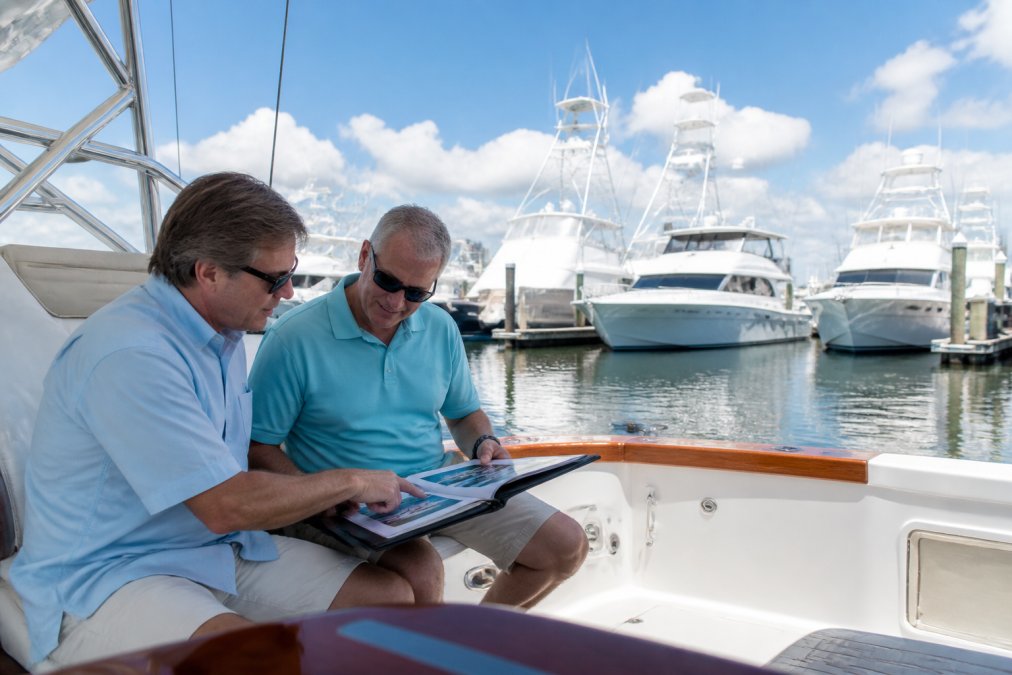
Buyers often conflate a responsive broker with a loyal one. Responsiveness is a service trait; loyalty is a legal relationship. Ask which one you are getting before you tour a boat.
.png)
The biggest structural shift in recent years is the split between digital-first marketplaces and traditional brick-and-mortar brokerages. Neither is inherently better, they fail in different ways.
Digital-first marketplaces (YachtWorld, Boat Trader, and similar platforms) win on breadth: filter by length, year, manufacturer, hull material, and region in minutes, and pull historical pricing to sanity-check an asking price. The trade-off: the platform's customer is the listing broker or seller, not you, no one is tasked with telling you the boat is overpriced.
Traditional brokerages win on relationship and accountability: a named person, a physical office, and a reputation at stake if a deal goes sideways. The trade-off is inventory bias, a traditional brokerage steers you toward boats it has listed, because that is where its commission lives.
Fiduciary boutiques sit between the two: a smaller inventory footprint but a defined duty to the buyer, often with in-house closing, documentation, and delivery coordination rather than a third-party handoff.
A practical test: ask each candidate what happens if the survey returns a major finding. A marketplace hands you the report. A seller's agent tries to keep the deal alive. A fiduciary broker should be willing to tell you to terminate, and should have said so before you paid the deposit.
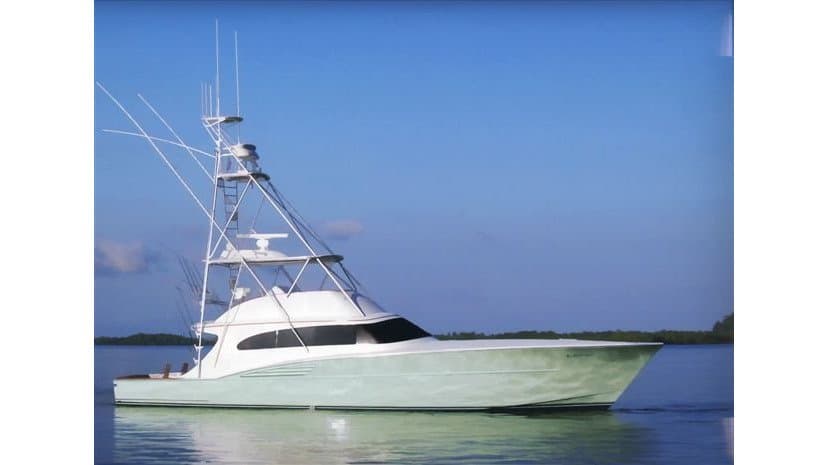
Spencer Christopher Yacht and Ship is an independently owned brokerage built around complete fiduciary care from first showing to final delivery. Its team of USCG captains, former yacht crew, engineers, and mechanics is obligated to tell you when a vessel is a bad deal.
The team brings over four decades of cumulative experience across sportfish yachts, center consoles, and superyachts along the Eastern Seaboard and the Bahamas, with an in-house closing department handling documentation.
Pros:
Independently owned, so no corporate quota pressure
Brokers with real sea time and technical backgrounds
In-house closing department
Specialized coverage across two cruising regions
Cons:
Narrower focus than a general recreational dealer
Specialization in sportfish and superyacht categories means it is not the right fit for a pontoon or entry-level runabout
YachtWorld is a comprehensive online marketplace for professional yacht listings and remains the reference point for market valuation. Advanced filters sort by length, year, manufacturer, and location, and registered users can review historical pricing and market trends.
Where it falls short is representation: the platform connects you to listing brokers, not an advocate. Plan to run your own sea trial coordination and survey scheduling.
Pro Tip Score each alternative on four buyer-side criteria before you commit: (1) who owes you a duty, (2) who pays the broker, (3) what the fee structure actually is, and (4) what support continues after closing. A brokerage that scores well on inventory but poorly on all four is a listing service, not representation.
American Boat and Yacht Council standards
Watch Out Skipping the sea trial to save a week is the single most expensive shortcut in boat buying. Mechanical issues that only appear under load are invisible at the dock and can cost more than the survey itself.
Ask every brokerage candidate these questions before you commit:
Key Takeaway Representation is not a vibe, it is a duty you can name, a contingency you can write into the agreement, and a set of post-closing services you can verify before you sign. If a brokerage cannot answer the ninety-day questions, it is a listing service, not an advocate.
U.S. Coast Guard Boating Safety resources
Look for a broker who acts as a fiduciary, meaning they put your interests ahead of their commission. Verify credentials like CPYB certification or a USCG captain's license. Ask about their experience with your vessel type, whether they provide a written buyer representation agreement, and how they handle survey findings. A good broker will explain the entire transaction process, from sea trial to closing, and will not pressure you to skip critical due diligence steps.
Independent brokerages often provide more personalized attention and can act as true buyer's representatives rather than dual agents. Large corporate firms may have more inventory but can face conflicts of interest when representing both buyer and seller. Independents like Spencer Christopher Yacht and Ship employ USCG captains and engineers who inspect vessels firsthand, while corporate models sometimes rely on junior staff. The trade-off is often breadth of listings versus depth of fiduciary care.
Boutique brokerages specialize in specific vessel types, so they understand the unique mechanical and structural issues of sportfish yachts. They often have direct experience operating these boats, which helps them spot problems during sea trials that a generalist might miss. They also tend to offer more hands-on support after closing, including help with dockage, maintenance referrals, and crew placement. For high-performance sportfish buyers, that specialized knowledge can prevent costly mistakes.
Fiduciary duty legally requires your broker to act in your best interest, disclose all material facts, and avoid conflicts of interest. In practice, this means your broker must tell you if a vessel has known issues, recommend a thorough survey even if it delays the sale, and negotiate solely for your benefit. Without a fiduciary relationship, a broker may legally prioritize the seller's interests. Always confirm in writing that your broker will serve as your fiduciary throughout the transaction.
BlogLearn how to evaluate sportfish engine hours accurately. Understand duty cycles, maintenance history, and diagnostic tools to assess true engine condition.
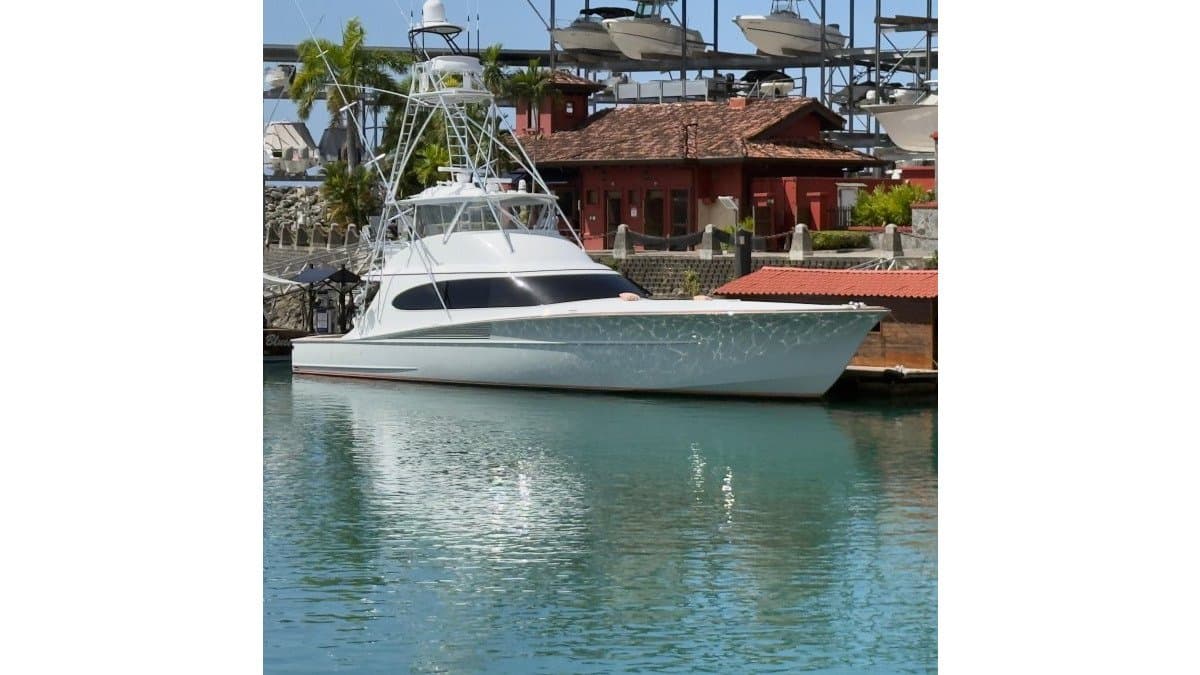 Blog
BlogFollow the steps to buying a luxury yacht in 2026, from title search to survey, closing and delivery. Learn how a fiduciary broker protects your purchase.
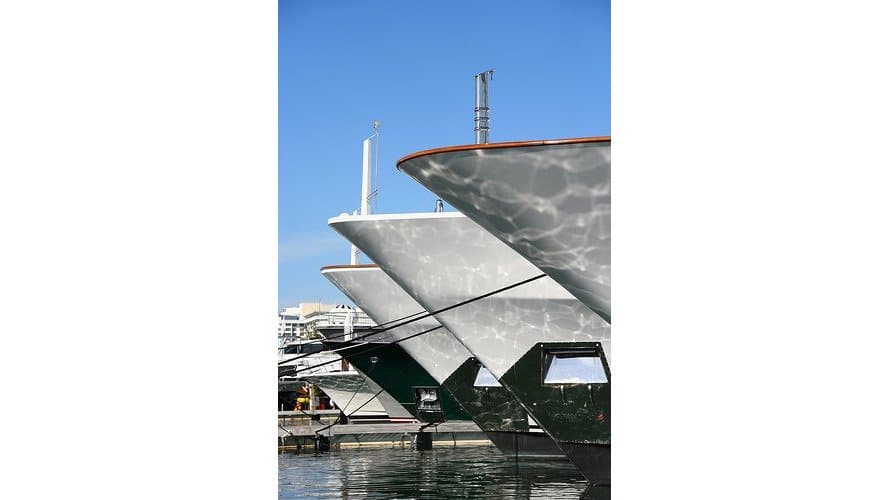 Blog
BlogLuxury yacht brokerage services Florida: compare top firms, learn what to look for in a yacht purchase agreement, and verify broker fiduciary.
Send them over. Every inquiry gets a substantive response within 24 hours, from a person who has read what was asked.