 Blog
How to Sell a Yacht in Stuart 2026: Step-by-Step
Learn how to sell a yacht in Stuart in 2026, from pricing and Florida documents to sea trial, survey, and closing timelines.


Last Updated: October 20, 2026
How to finance a used sportfish yacht starts with knowing your options. Most buyers choose between bank loans, credit union financing, specialist marine lenders, and dealer programs. Each has different terms, rates, and approval timelines.
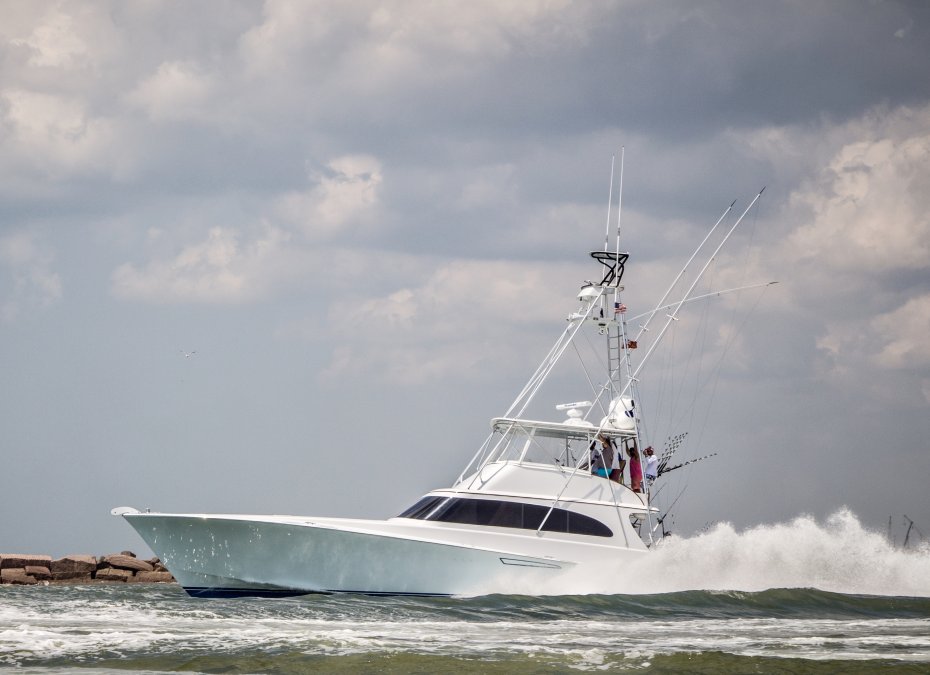
At Spencer Christopher Yacht and Ship, we work with buyers across the Eastern Seaboard who are exploring these paths. The right choice depends on your credit profile, down payment, and how quickly you want to close.
Traditional banks offer yacht financing through their marine lending divisions. These loans typically come with fixed rates and standard terms. Credit unions often provide competitive rates for their members.
Banks require strong credit scores and solid income documentation. Most want to see a down payment of 20-30%. The approval process takes 2-4 weeks on average.
Key advantages of bank financing:
Established rates and transparent terms
Relationship banking if you have history with the institution
Ability to shop rates across multiple banks
The downside is stricter underwriting. Banks treat yachts as depreciating assets. They may decline applications if the vessel is older or if your debt-to-income ratio is high.
Pro Tip Call your current bank first. They already know your financial profile, which speeds up approval and may unlock better rates for existing customers.
Marine lenders understand yachts differently than traditional banks. They know vessel values, market trends, and what makes a good loan candidate in this space.
These lenders focus on the marine industry. They work with brokers regularly and move faster than banks. Many specialize in used sportfish yachts specifically.
Specialist lenders typically offer:
Flexible down payment options (15-25%)
Faster approval timelines (5-10 business days)
Willingness to finance older vessels
Experience with irregular income patterns
The trade-off is often a slightly higher rate than traditional banks. But the speed and flexibility often make it worth it.
Some dealers offer their own financing programs. These work differently than bank loans. The dealer essentially becomes your lender, or they partner with a captive finance company.
In-house programs can move very fast. Some close in days. They're designed to remove friction from the buying process.
Be aware that dealer financing rates may be higher. The terms are often shorter too. Always compare the total cost against traditional lending before accepting dealer financing.
Yacht loan preapproval is your first real step. It shows sellers you're a serious buyer and gives you a clear budget.
Preapproval means a lender has reviewed your finances and approved you for a specific amount. It's not a guarantee, but it's a strong signal of your buying power.
Lenders look at five core factors when considering yacht financing:
Your credit score matters most. A score above 700 opens better rates. Below 650, you'll face higher costs or potential denial.
Income verification comes next. Lenders want to see stable, documented income. Self-employed buyers need 2 years of tax returns. W-2 employees need recent pay stubs.
Debt-to-income ratio is critical. Most lenders want your total monthly debt payments below 40% of gross income. A yacht loan counts as debt, so they calculate this carefully.
Down payment size affects approval odds. Larger down payments reduce lender risk. A 30% down payment is safer than 15%.
Vessel value and age matter. Newer yachts with lower hours finance easier. Older vessels or those with significant maintenance needs may be harder to finance.
Watch Out A lender may approve you for a yacht that costs more than you should spend. Just because you're approved for 500K doesn't mean a 500K yacht is the right choice. Factor in maintenance, insurance, dockage, and fuel when deciding your real budget.
Start gathering documents now. Lenders need proof of everything.
You'll provide:
Last 2 years of personal tax returns
Last 2 months of pay stubs
Last 3 months of bank statements
List of current debts and monthly payments
Proof of down payment source
For self-employed buyers, the list is longer. You'll need business tax returns, profit and loss statements, and sometimes accountant letters verifying income stability.
Lenders also pull your credit report directly. They see every inquiry, late payment, and account you've opened. If you're planning to buy soon, avoid opening new credit cards or taking loans beforehand.
The paperwork phase can feel overwhelming. Understanding what's coming helps you prepare.
Spencer Christopher Yacht and Ship handles many of these details with our in-house closing department. We guide clients through each step so nothing surprises you at the end.
Beyond the basics, lenders want specific financial proof. This includes:
Written verification of employment from your employer
Recent bonus statements if bonuses are part of your income
Explanation letters for any gaps in employment
Documentation of any gifts used for down payment
Proof that down payment funds aren't borrowed
If you're retired or living on investment income, bring investment statements showing account balances and recent activity.
The yacht itself needs documentation too. The lender will order:
Vessel title and registration
Recent survey report (usually within 6 months)
Sea trial results if available
Maintenance records for the last 3-5 years
Insurance quote for the vessel
Haul-out and service records
The lender uses these to confirm the yacht's condition and value. A thorough survey is especially important. It protects both you and the lender.
A marine survey is non-negotiable in yacht financing. Lenders require it. You should want it anyway.
The survey is a detailed inspection of the vessel's hull, engine, systems, and structure. A qualified surveyor spends a full day or more examining everything. The report becomes part of your loan file.
Surveyors look for hidden problems. Engine hours, corrosion, structural damage, and system failures all get documented. If major issues exist, the lender may reduce the loan amount or ask for repairs before funding.
The survey also protects you. You'll know exactly what you're buying. If problems emerge later, you have a baseline report showing the vessel's condition at purchase time.
Expect to pay for a thorough survey of a used sportfish yacht. It's money well spent. A survey that catches a significant engine problem can pay for itself instantly.
Interest rates on yacht loans vary. Understanding what affects your rate helps you negotiate better terms.
Your credit score is the single biggest factor. A 50-point difference in your score can mean 0.5-1% difference in your rate. Over a 10-year loan, that's tens of thousands of dollars.
Loan-to-value ratio affects your rate too. This is the loan amount divided by the vessel's value. A 70% LTV gets a better rate than 90% LTV. The lower the ratio, the less risk the lender takes.
Vessel age impacts rates. A 5-year-old sportfish yacht finances cheaper than a 20-year-old one. Older vessels carry more risk of mechanical failure.
Loan term length matters. A 10-year loan has a higher rate than a 5-year loan. Longer terms mean more risk for the lender.
Down payment size influences your offer. A 30% down payment typically gets better rates than 15%. Lenders reward larger equity positions.
Key Takeaway Your credit score and down payment size are the two levers you control most directly. Improving either one before applying can save you thousands in interest.
Most yacht loans run 5-15 years. Shorter terms mean higher monthly payments but less total interest. Longer terms lower monthly payments but cost more overall.
Common terms for used sportfish yachts are 10-12 years. This balances affordable monthly payments with reasonable total interest.
Some lenders offer interest-only periods at the start. You pay interest for 1-2 years, then principal and interest for the remaining term. This lowers early payments but increases later ones.
Prepayment penalties vary by lender. Some allow you to pay off the loan early without penalty. Others charge a fee. Always ask before signing.
Fixed-rate loans lock your rate for the entire term. Variable-rate loans adjust based on market conditions. Most buyers prefer fixed rates for stability.
First-time yacht buyers often rush the financing process. Slowing down saves money and headaches.
The biggest mistake is skipping preapproval. Buyers who know their budget upfront make better decisions. They don't waste time on vessels they can't afford.
Another common error is financing the full purchase price. Yachts depreciate. Financing 100% means you're underwater immediately. A 20-30% down payment protects you if you need to sell quickly.
Buyers sometimes ignore the survey. They trust the seller's word or skip it to save money. A survey catches problems before you're legally bound. It's your protection.
Choosing the wrong lender is costly. Shopping only with your bank misses better offers from marine specialists. Get quotes from 3-4 lenders before deciding.
Underestimating total costs sinks many buyers. The loan payment is just one part. Add insurance, dockage, maintenance, fuel, and haul-out costs. These often equal 15-20% of the boat's value annually.
Taking too much debt is another trap. Just because a lender approves you doesn't mean you should borrow that much.
A good broker makes financing easier. They know lenders, understand what documentation you'll need, and advocate for you.
At Spencer Christopher Yacht and Ship, our team works with buyers from the first showing through closing. We're familiar with financing timelines and requirements.
Your broker should explain the financing process clearly. They should introduce you to lenders they trust.
The broker also coordinates with the lender on vessel documentation. They provide surveys, maintenance records, and title information. This speeds up underwriting.
Most importantly, your broker protects your interests. They make sure the vessel appraises high enough to support the loan. They catch issues before they become problems.
When choosing a broker, ask about their lending relationships. Ask for references from recent buyers.
According to the International Yacht Brokers Association standards, brokers should maintain transparency throughout the process.
The financing process typically takes several weeks from preapproval to closing. Your broker should give you a realistic timeline upfront. They should update you regularly on progress.
How to finance a used sportfish yacht comes down to preparation and patience. Get preapproved before you shop. Gather your documents early. Have the vessel surveyed. Compare rates from multiple lenders.
Work with a broker who understands the marine financing world. They'll guide you through each step and protect your interests. Spencer Christopher Yacht and Ship has guided countless buyers through this process across the Eastern Seaboard and the Bahamas.
The goal is a smooth closing where you understand every term and feel confident in your purchase. Taking time upfront to do this right pays dividends for years to come.
Lenders typically require recent tax returns (2-3 years), pay stubs, bank statements, proof of assets, and a completed loan application. You'll also need the vessel's title, hull identification number (HIN), survey report, and insurance quote. Some lenders ask for a signed purchase agreement and details about the yacht's age, condition, and value. Having these organized before you apply speeds up the preapproval process significantly.
Down payment requirements vary by lender and vessel age, typically ranging from 10% to 30% of the purchase price. Newer yachts or those in excellent condition may qualify for lower down payments, while older vessels often require higher percentages. A larger down payment improves your loan approval odds and may secure better interest rates. Discuss your specific situation with potential lenders to understand their requirements.
Yes, significantly. Most lenders require a professional marine survey before approving financing. The survey assesses the yacht's condition, age, and market value, directly influencing the loan amount you qualify for and the interest rate offered. A survey that identifies major defects may lower the vessel's appraised value, reducing your loan amount or affecting approval. This is why having a thorough survey completed early in the process helps clarify financing feasibility.
The timeline for approval can vary, assuming all documentation is complete and the survey is finished. Preapproval can happen quickly with basic financial information. Delays often occur when lenders wait for the marine survey results or request additional documentation. Working with an experienced yacht broker who coordinates these steps can accelerate the process and keep everything moving forward efficiently.
BlogLearn how to sell a yacht in Stuart in 2026, from pricing and Florida documents to sea trial, survey, and closing timelines.
 Blog
Learn how to choose a yacht broker in Stuart, FL. Verify credentials, ask the right questions, and review agreements before you commit.
 Blog
Compare 5 professional yacht closing services in Stuart, FL. See what each handles, from escrow and survey to delivery documents.
Send them over. Every inquiry gets a substantive response within 24 hours, from a person who has read what was asked.