 Blog
How to Finance a Used Sportfish Yacht
Learn how to finance a used sportfish yacht. Explore loan options, preapproval steps, documents needed, and what lenders evaluate.

How to Choose a Yacht Broker in Stuart: What Separates a Fiduciary from a Salesperson
Verify the Florida Yacht Broker License Before Anything Else
Buyer's Yacht Broker Representation: What It Means and Why It Matters
The Decision Framework: How to Compare Yacht Brokers in Stuart
Last Updated: October 12, 2026
Choosing a yacht broker is a decision about who holds your interests when serious money and a complex vessel are on the line. Knowing how to choose a yacht broker in Stuart starts with one question: does this person owe you a duty, or just a pitch? At Spencer Christopher Yacht and Ship, our brokers are USCG captains, former crew, and engineers, and we have watched too many buyers learn the difference after closing.
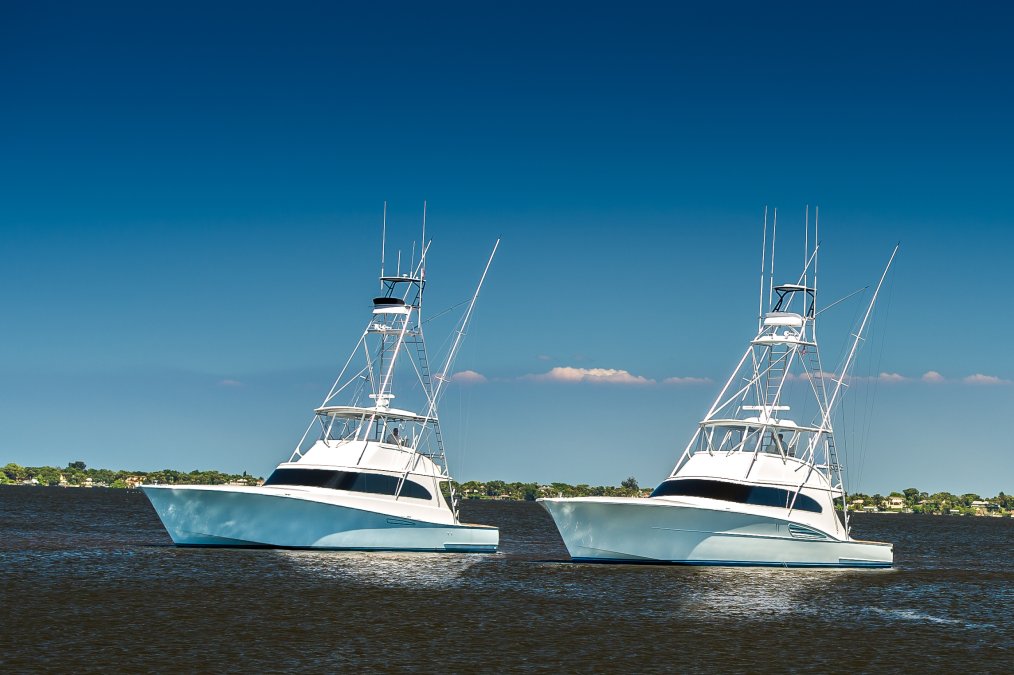
A fiduciary puts your interest first, even when it costs them a sale. A salesperson moves inventory. That gap shows up in small moments: who orders the survey, who reads the engine room report line by line, who tells you to walk away.
Below, we break down the seven steps that separate the two.
Key Takeaway The single best filter: ask a broker who they represent in writing. A fiduciary answers without hesitation. A salesperson changes the subject.
Start with paperwork, not personality. A Florida yacht broker license and a posted bond are the floor, not the ceiling.
Florida requires yacht and ship brokers to hold a state license and maintain a bond. You can confirm both through the Florida Department of Business and Professional Regulation license search. Look up the individual broker, not just the brokerage name.
Check these items:
Active license status with no complaints on file
A current surety bond tied to the license
The exact legal name matching the person you are dealing with
A lapsed or missing bond is a hard stop. Walk away.
Beyond the state license, look for credentials that require testing and time on the water.
CPYB (Certified Professional Yacht Broker): a voluntary industry certification
USCG Master license: proof of real command experience
IYBA membership: signals adherence to a code of ethics
Our own Christopher Cooke holds a CPYB, a 100GT USCG Master license, and a Florida yacht and ship broker license, and has been active in the marine industry since 1995.
The first call tells you more than any website. Ask direct questions and listen for specifics, not slogans.
Good openers:
How many vessels have you closed in the last twelve months?
Do you represent buyers, sellers, or both on this deal?
Who pays your commission, and how is it disclosed?
What happens if the survey turns up a serious problem?
Vague answers are a warning. A broker who has done the work answers with names, builders, and hull numbers.
Anyone can sell in calm water. Ask about the storm.
Tell me about a deal you advised a client to walk away from.
What did the engine survey miss on your last closing, and how did you catch it?
How do you handle a seller who refuses to fix a known defect?
A broker with real experience has a story ready. A salesperson has excuses.
Watch Out The most common mistake is skipping the sea trial or accepting a survey from the seller's side. A missed mechanical issue can surface months later, after the escrow has closed and your use is gone.
Buyer's yacht broker representation means the broker works for you, not the seller. This is the whole ballgame.
In many deals, one broker represents both sides. That is legal, but it is not the same as having your own advocate. A buyer's broker owes you loyalty, disclosure, and honest counsel on price and condition.
Ask for it in writing. A true buyer's representative will:
Disclose who they represent before the first showing
Push back on a bad survey instead of smoothing it over
Tell you when a vessel is overpriced, even if it kills the deal
That last point is the one that separates a fiduciary from a salesperson. It is also the one that costs them money, which is exactly why it matters.
Read the agreement before you sign anything. A yacht brokerage agreement should spell out the terms in plain language.
It should cover:
Who the broker represents and on which side
The commission structure and who pays it
The length of the listing or representation term
How disputes and cancellations are handled
Escrow and closing responsibilities
If a clause is unclear, ask. A broker who resists explaining their own agreement is telling you something.
Our in-house closing department handles escrow and documentation, and we coordinate with your own maritime attorney if you already have one. You should never feel pushed to drop your own counsel.
A broker who knows your vessel type beats a generalist every time. The Stuart area and the wider Treasure Coast run on sportfish and center console traffic, and that shapes what a good broker needs to know.
Match the broker to the job:
Sportfish: ask about tower, outrigger, and hull construction knowledge
Center consoles: ask about trailer, engine hours, and repower history
Superyachts: ask about crew, flag, and international documentation
Local knowledge matters too. A broker who knows the local yards, the surveyors, and the inlet conditions will catch things an out-of-town broker misses. If you are searching for a yacht broker near me in Stuart, ask how long they have worked this coastline.
Our service area runs from Palm Beach, Martin, and Indian River Counties across the Eastern Seaboard and the Bahamas.
The broker you choose decides how much risk you carry into a purchase or a sale. A license and a bond are the start, but representation, credentials, and the willingness to say no are what protect you. Spencer Christopher Yacht and Ship was built around that standard, with brokers who are also captains and engineers, an in-house closing department, and a service area that runs from the Treasure Coast through the Bahamas. The Highest Standards. Both Sides. Fully Represented.
Start with credentials: a current Florida yacht broker license, proof of bonding, and professional certifications such as CPYB. Then look at vessel-type specialization. A broker who works with sportfish yachts and center consoles daily will spot mechanical and structural issues a generalist misses. Ask how many transactions they closed in the past year, whether they carry fiduciary duty to you as buyer or seller, and whether they have in-house closing support. Finally, confirm their service area covers where you keep or plan to keep the vessel.
Ask about their license number and how to verify it, their experience with your specific vessel type, and whether they represent buyers, sellers, or both. Ask what happens if a survey uncovers a serious problem, who handles escrow, and whether they have an in-house closing department or rely on outside counsel. Request a sample brokerage agreement before you commit. A broker who answers these directly and without pressure is demonstrating the transparency you want for the entire transaction.
Florida requires yacht and ship brokers to hold a current license and post a bond. You can verify a broker's license status through the Florida Department of Business and Professional Regulation. Ask for the license number directly and check it yourself rather than relying on a website badge. For additional assurance, confirm membership in professional organizations such as IYBA or YBBA, and ask whether the broker holds a USCG Master license, which indicates hands-on vessel operation experience.
A brokerage agreement should state the commission structure, the length of the listing term, who pays for survey and haul-out costs, how escrow is handled, and what happens if the vessel does not sell within the term. For buyer representation agreements, it should clarify the broker's fiduciary duty to you, how conflicts of interest are handled if the broker also represents the seller, and the scope of service through closing and delivery. Read it before signing and ask questions about any clause you do not understand.
BlogLearn how to finance a used sportfish yacht. Explore loan options, preapproval steps, documents needed, and what lenders evaluate.
 Blog
Learn how to sell a yacht in Stuart in 2026, from pricing and Florida documents to sea trial, survey, and closing timelines.
 Blog
Compare 5 professional yacht closing services in Stuart, FL. See what each handles, from escrow and survey to delivery documents.
Send them over. Every inquiry gets a substantive response within 24 hours, from a person who has read what was asked.